If you have severe lower back pain, pain going down the leg, numbness, or weakness in the foot, you may be suffering from PLID (Prolapsed Lumbar Intervertebral Disc), commonly known as a slip disc. Many patients ignore these symptoms for months, but early treatment can often prevent long-term nerve damage and help avoid surgery.
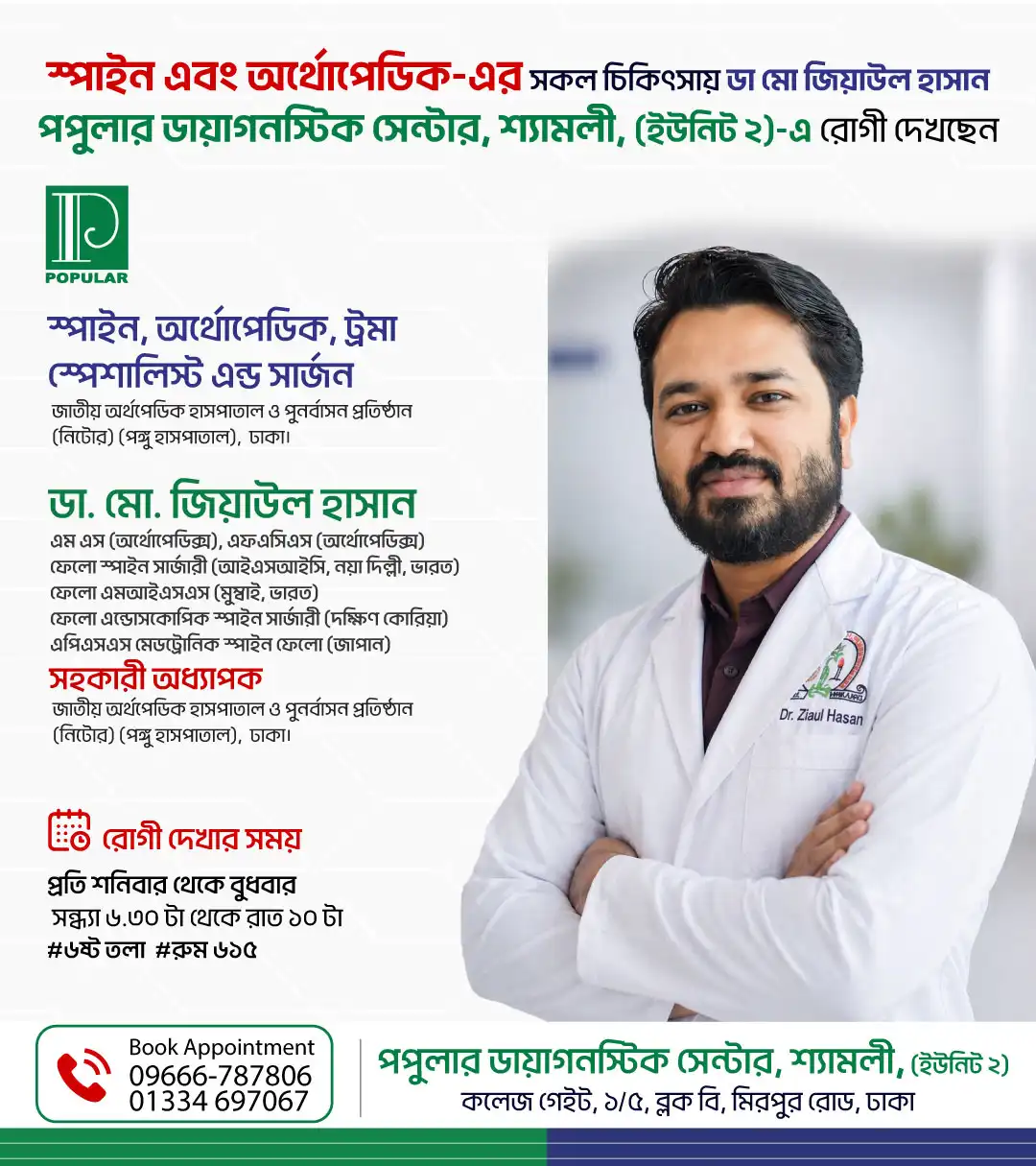
Dr. MD Ziaul Hasan is a PLID specialist doctor and spine surgeon in Dhaka with advanced training in minimally invasive spine surgery and endoscopic spine surgery. He treats patients with PLID, sciatica, spinal stenosis, and other spine disorders, with a focus on relieving pain and helping patients return to their normal activities safely.
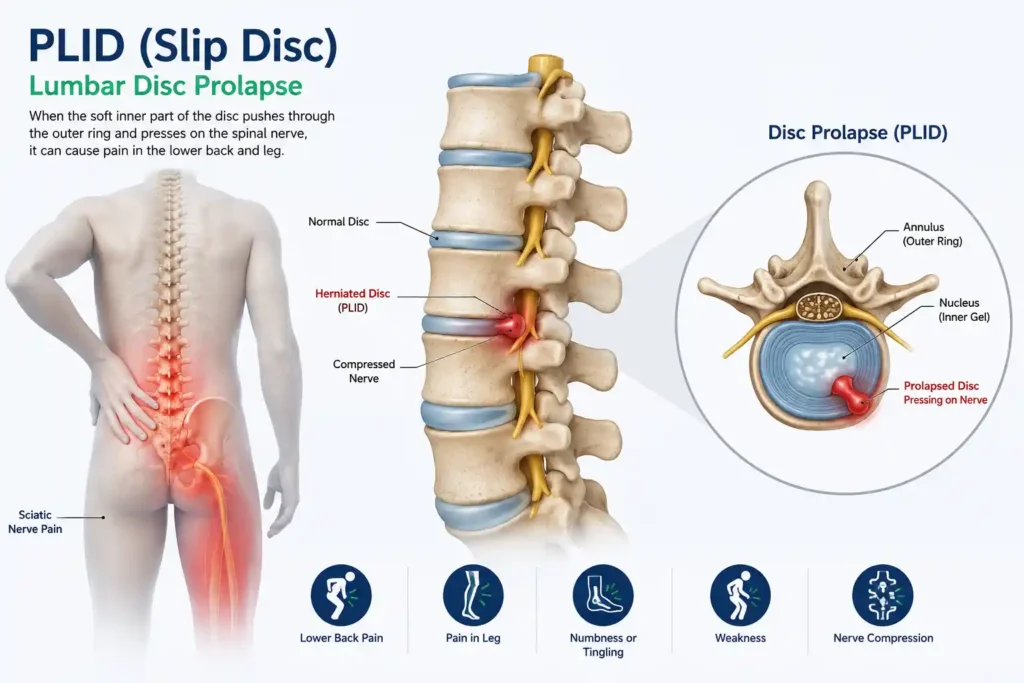
PLID stands for Prolapsed Lumbar Intervertebral Disc. It happens when one of the discs between the bones of the lower spine bulges or ruptures and presses on a nearby nerve.
Many people call this a slip disc, although the disc does not actually slip. The problem is usually a disc prolapse or herniation that irritates the spinal nerves.
A PLID can cause:
Not every PLID patient needs surgery. In fact, many patients improve with proper treatment if diagnosed early.
PLID can develop due to several factors, and back pain is a very common problem among office-going people in Dhaka. Poor sitting posture, prolonged sitting, and working for long hours without taking regular breaks can increase the risk of back pain and may also contribute to problems such as slipped discs.
Dr. Md. Ziaul Hasan has explained in detail how office workers can prevent back pain and slipped discs in his article, “দীর্ঘসময় বসে কাজ করলে কোমর ব্যথা কেন হয়? কীভাবে কমাবেন?”
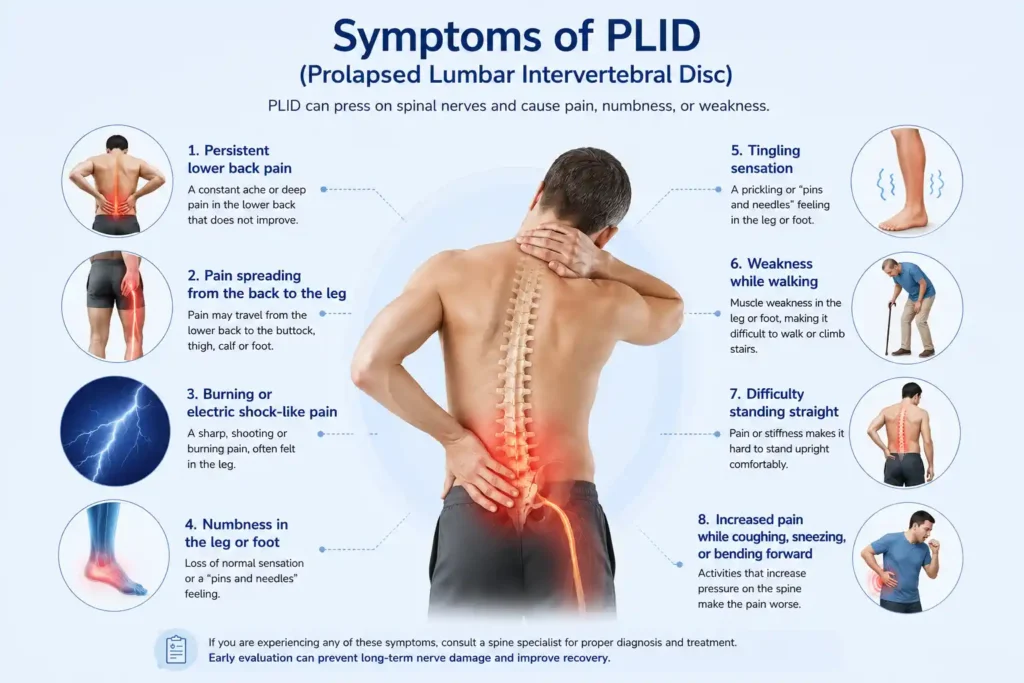
The symptoms depend on which nerve is being compressed.
Common symptoms include:
If you develop progressive leg weakness, foot drop, or loss of bladder or bowel control, you should seek urgent evaluation by a spine specialist.
PLID can occur gradually or suddenly.
Common causes include:
People between 30 and 60 years of age are commonly affected, but younger adults can also develop PLID.
A proper diagnosis is important because back pain can have many causes.
Dr. MD Ziaul Hasan usually evaluates PLID with:
He checks:
MRI is the most useful test for confirming PLID and identifying:
In some cases, X-rays or other investigations may also be required.
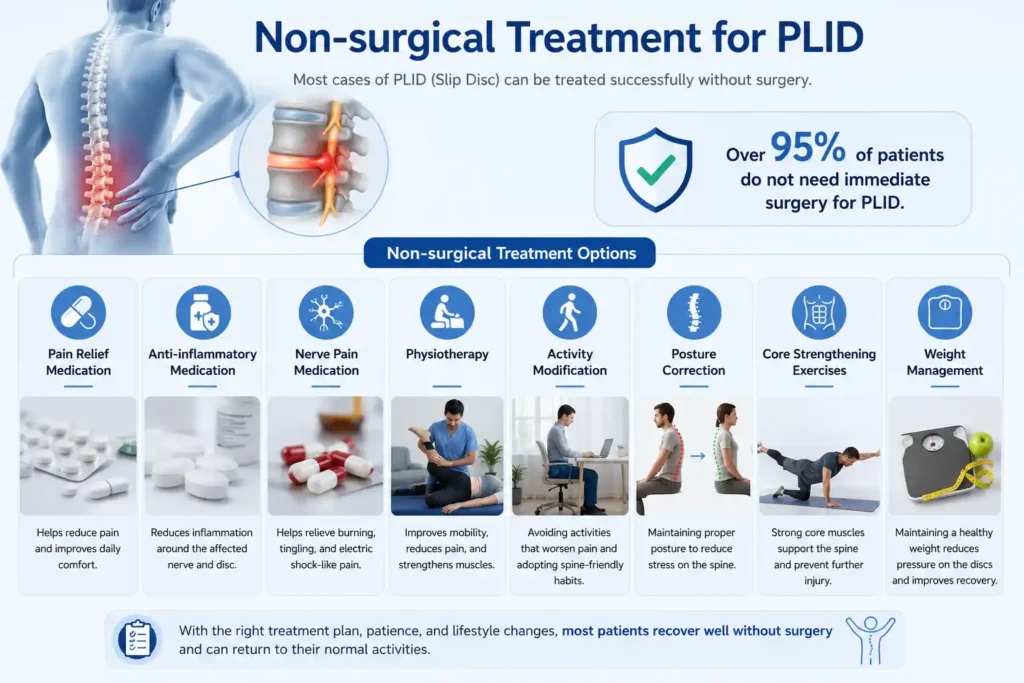
Over 95% of patients do not need immediate surgery for PLID.
Depending on the severity of symptoms, treatment may include:
The goal is to reduce nerve inflammation, relieve pain, and restore function.
Many patients recover significantly within a few weeks to a few months with appropriate conservative treatment.
Surgery is considered when:
The decision for surgery is based on clinical symptoms, examination findings, and MRI results, not MRI findings alone.
Dr. MD Ziaul Hasan performs modern spine procedures that aim to reduce tissue damage and promote faster recovery whenever appropriate.
A minimally invasive procedure where the herniated part of the disc is removed through a small incision.
A camera-guided procedure performed through a very small incision with minimal muscle damage.
Read a patient case of Endoscopic PLID surgery
Specialized techniques that reduce blood loss, postoperative pain, and recovery time compared with traditional open surgery in selected patients.
The most suitable procedure depends on the patient’s MRI findings, symptoms, and overall health.
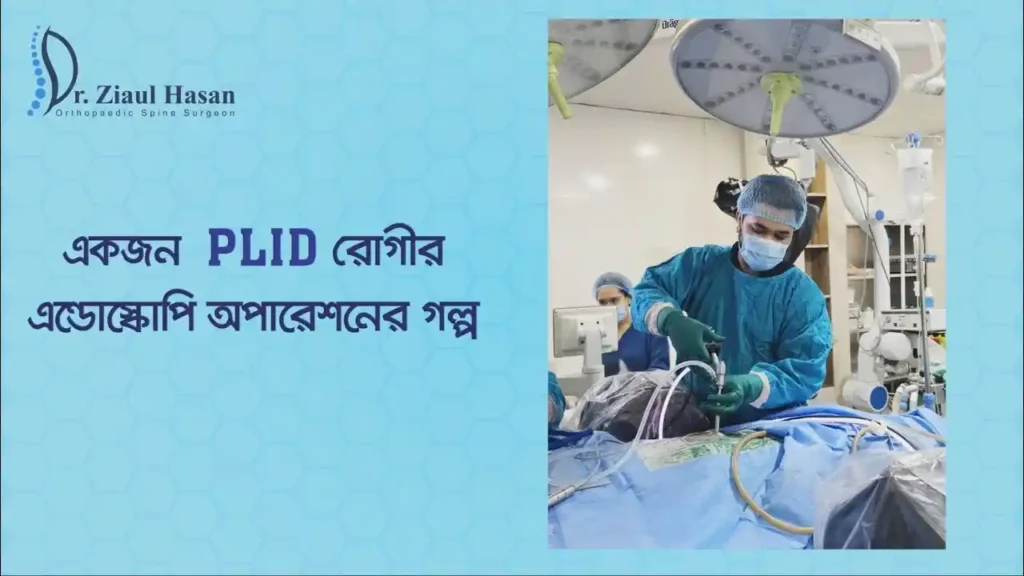
One of the strongest indicators of treatment quality is patient outcome.
Dr. MD Ziaul Hasan has treated many patients with severe PLID and sciatica who regained walking ability, reduced leg pain, and returned to their normal lives after treatment.
We have shared a real PLID surgery case study on YouTube, where a patient discusses the recovery journey after surgery. You can also read a detailed PLID treatment success story on our website to understand how timely treatment and proper surgical care can improve quality of life.
These real patient experiences help new patients understand what to expect during diagnosis, surgery, and recovery.
Patients commonly report:
Many patients appreciate the clear explanation of MRI findings and treatment options before making a decision about surgery.
Yes. PLID (Prolapsed Lumbar Intervertebral Disc) is the medical term for what many people call a slip disc.
Yes. Many patients improve with medication, physiotherapy, exercise, and activity modification.
No. Surgery is recommended only when symptoms are severe, persistent, or causing nerve damage.
When performed for the correct indication, PLID surgery is generally very successful in relieving leg pain caused by nerve compression.
Many patients start walking early after surgery, and substantial recovery usually occurs over 6 weeks to 3 months.
A fellowship-trained spine surgeon with experience in minimally invasive and endoscopic spine surgery is usually the most appropriate specialist for PLID evaluation and treatment.

Dr. MD Ziaul Hasan
Assistant Professor
Spine Orthopedic Trauma Specialist & Surgeon
National Institute of Traumatology and Orthopedic Rehabilitation (NITOR), Dhaka
Qualifications
His practice focuses on both non-surgical PLID treatment and advanced spine surgery, depending on the patient’s condition.
If you have persistent lower back pain, sciatica, leg numbness, or weakness, do not wait until the condition becomes severe.
Consult Dr. MD Ziaul Hasan, a fellowship-trained PLID specialist doctor and spine surgeon in Dhaka, for a detailed evaluation, MRI review, and a treatment plan tailored to your condition.
Whether you need non-surgical treatment, minimally invasive spine surgery, or endoscopic PLID surgery, early diagnosis can make a significant difference in your recovery.
Book your appointment today and receive expert spine care from an experienced PLID specialist in Dhaka.
College Gate, 1/5, Block-B, Mirpur Rd, Dhaka
Visiting Time:
Saturday To Wednesday
6.30PM To 10PM
For Appointment:
01334-697067